Territorial Engineering
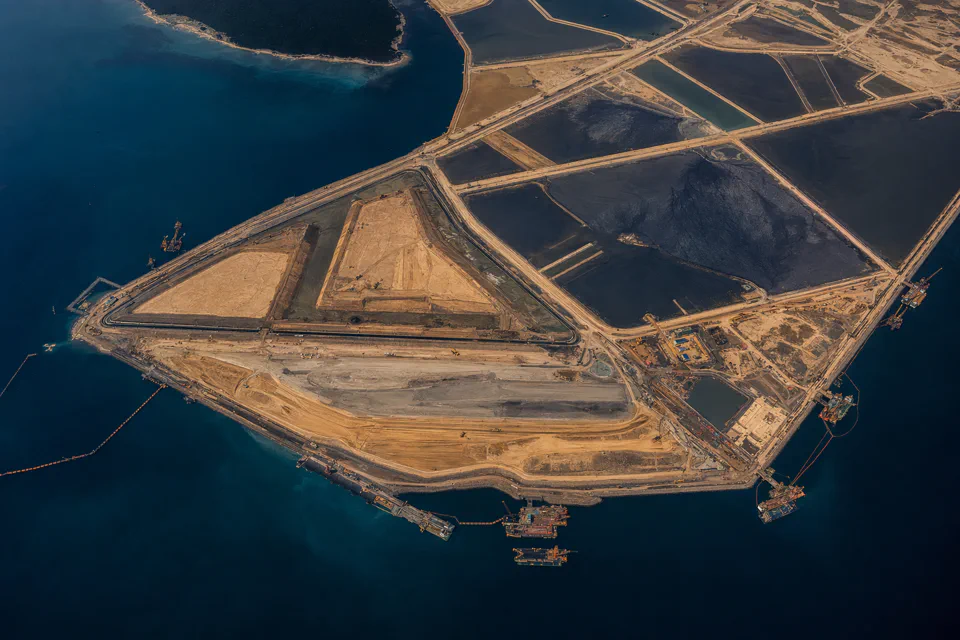
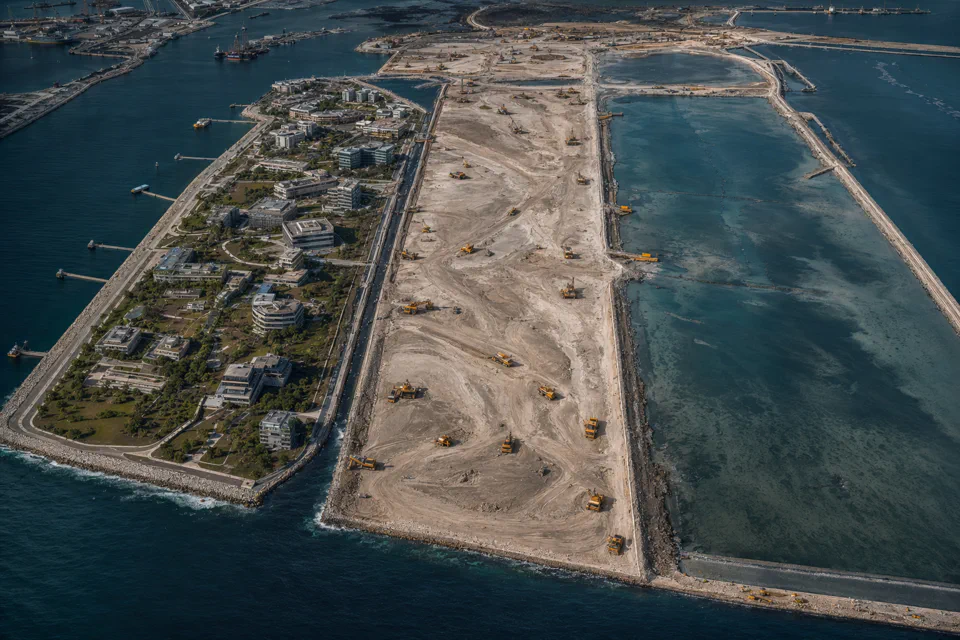
Sixteen essays on building new coastline. The Port of Rotterdam built Maasvlakte 2, more than 2,000 hectares in the North Sea, because it was short of large deep-water industrial sites.
A new coast begins with an argument over sand.
Before anyone draws an island, someone has to identify a source of fill, show that the seabed can carry it, estimate what waves and currents will move, and decide who will maintain the edge after construction crews leave. Those choices determine whether a project is durable, ruinous, or impossible. The outline on the map comes later.
Territorial engineering is the practice of deliberately changing the physical ground of a place. Along a coast, that can mean reclaiming land, raising grade, rebuilding a barrier, moving sediment through a littoral system, or combining hard structures with dunes, marsh, and reef. The methods are mature. Their application is not automatic.
This corpus follows one question from premise to decision: when is building new coastline a sensible response to a real constraint?
The answer is narrower than a manifesto and broader than a construction manual. Other countries have proved that land can be made at great scale. They have not proved that the same project belongs on every shore. Site geology, sediment supply, storm exposure, navigation, ecology, finance, law, and maintenance remain local. A successful project aligns all of them. A failed one usually discovers too late that one was treated as somebody else’s problem.
The essays are arranged as a single argument. Read them in order for the full case, or enter at the decision you need to make.
Begin with the claim
The Map Is Not Sacred
A Working Vocabulary
What Other Countries Actually Built
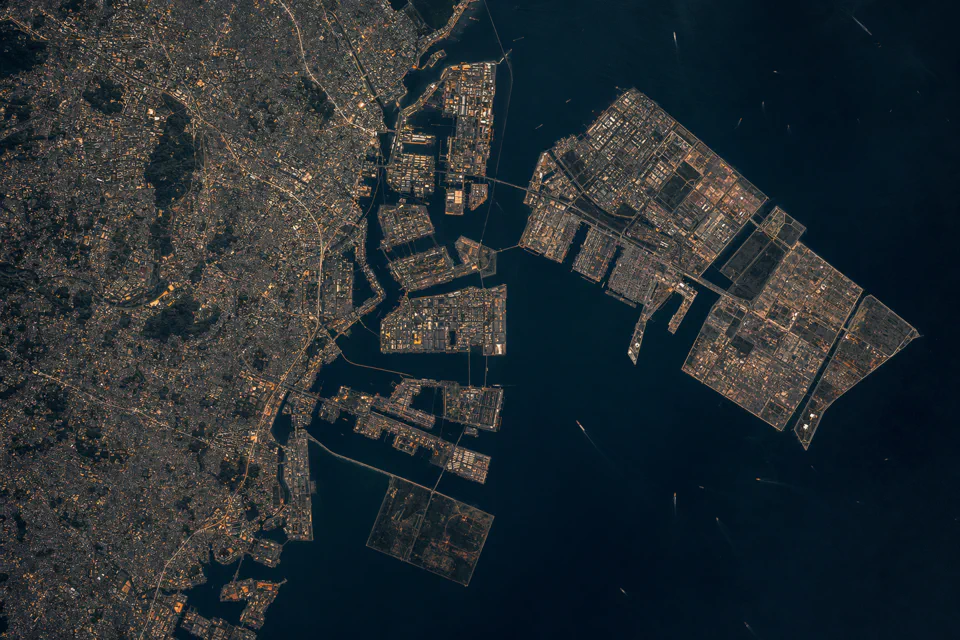
Follow the material and the water
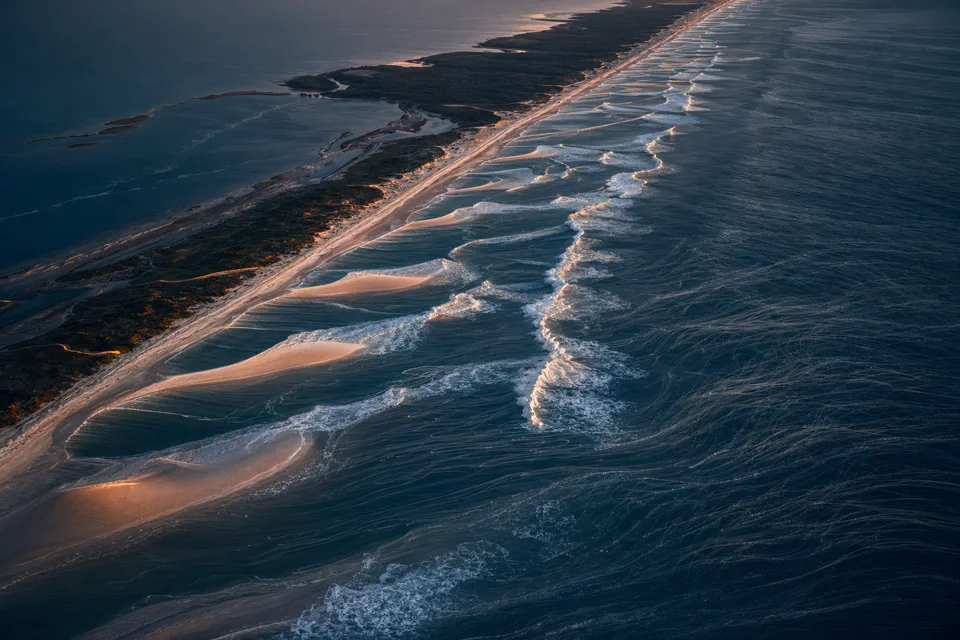
How Coasts Move
Sand Is the Supply Chain
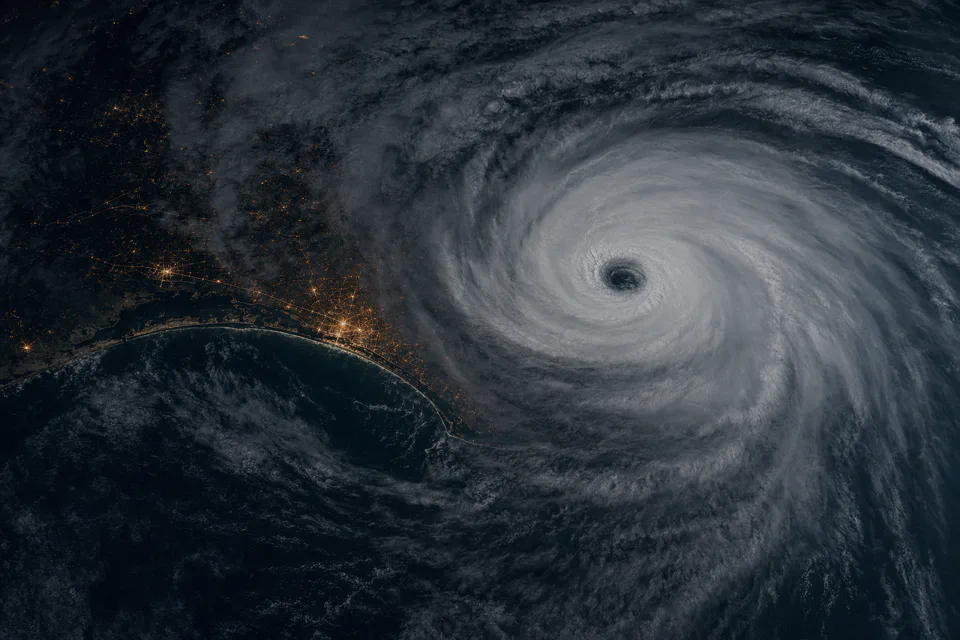
Designing for Water That Will Arrive
How New Land Is Built
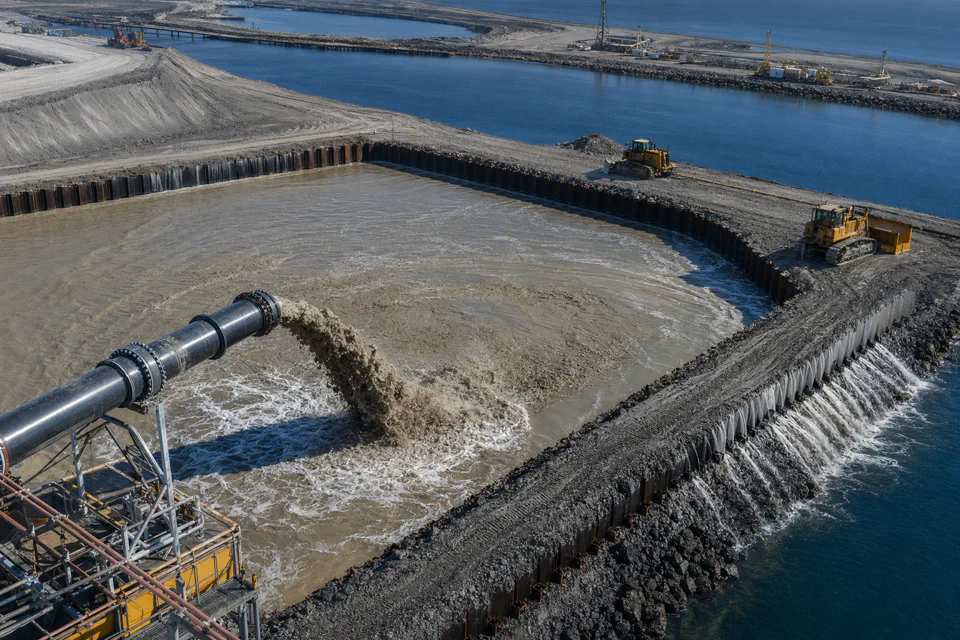
Where Ecology Carries Load
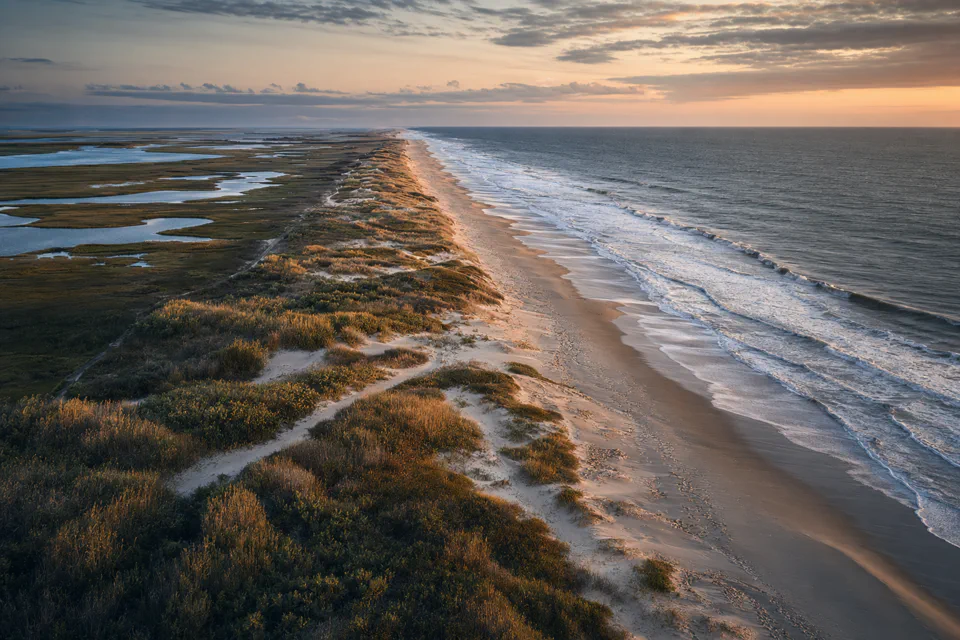
Build the delivery system
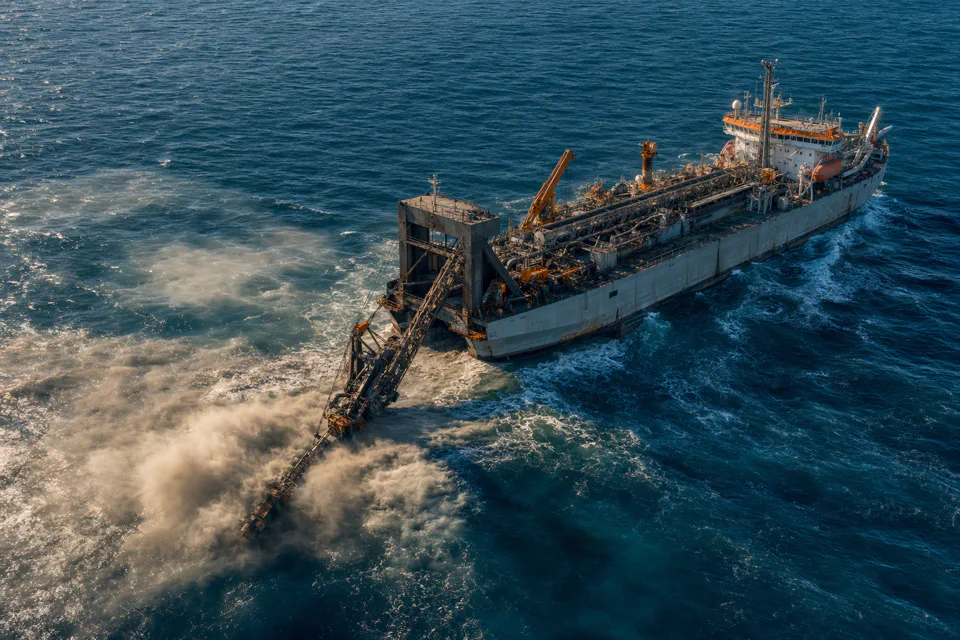
The Fleet Behind the Map

The American Record Is Longer Than It Looks
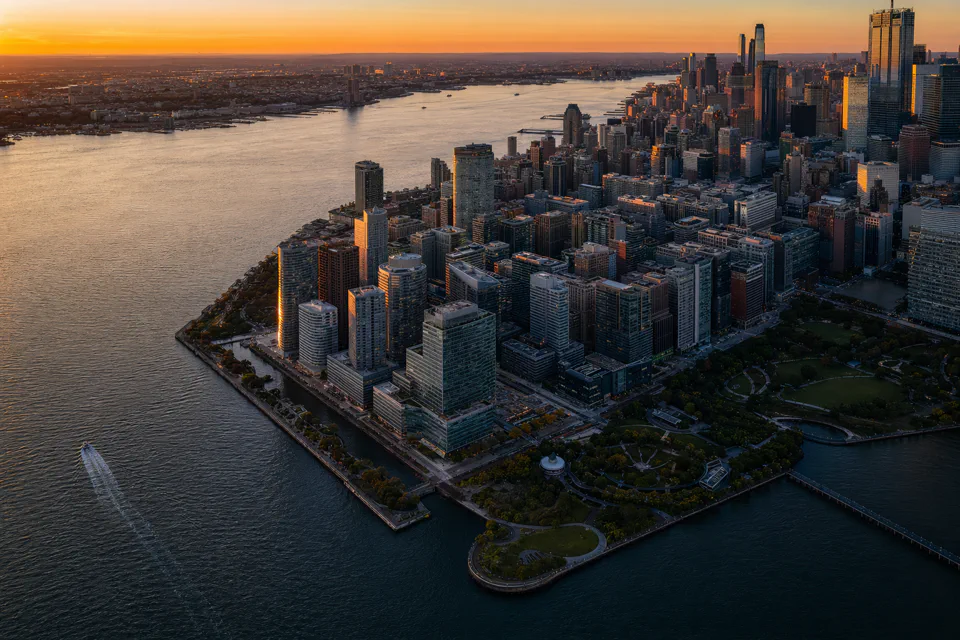
Paying for New Ground
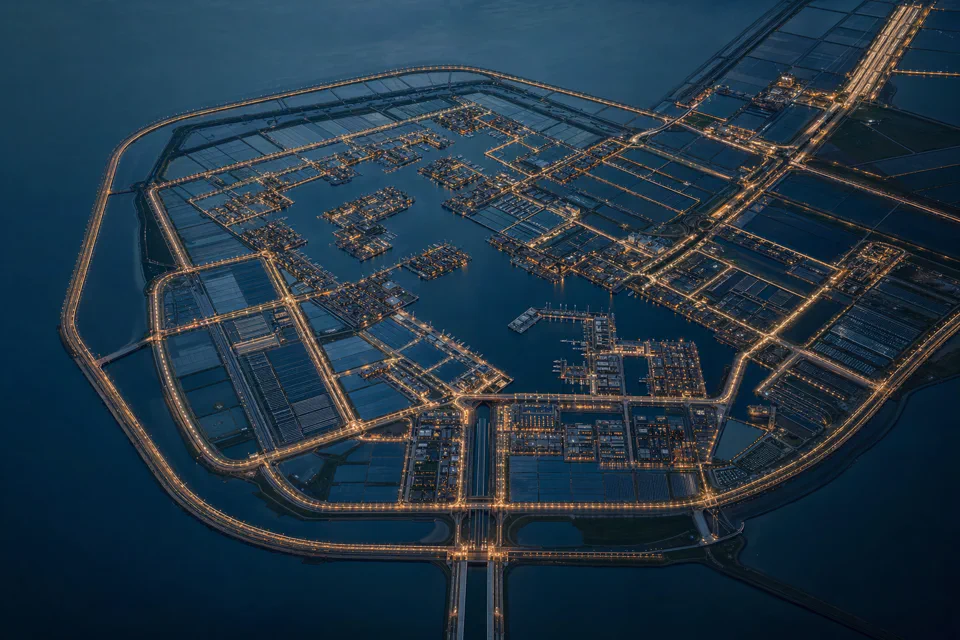
Risk Does Not Disappear on New Land
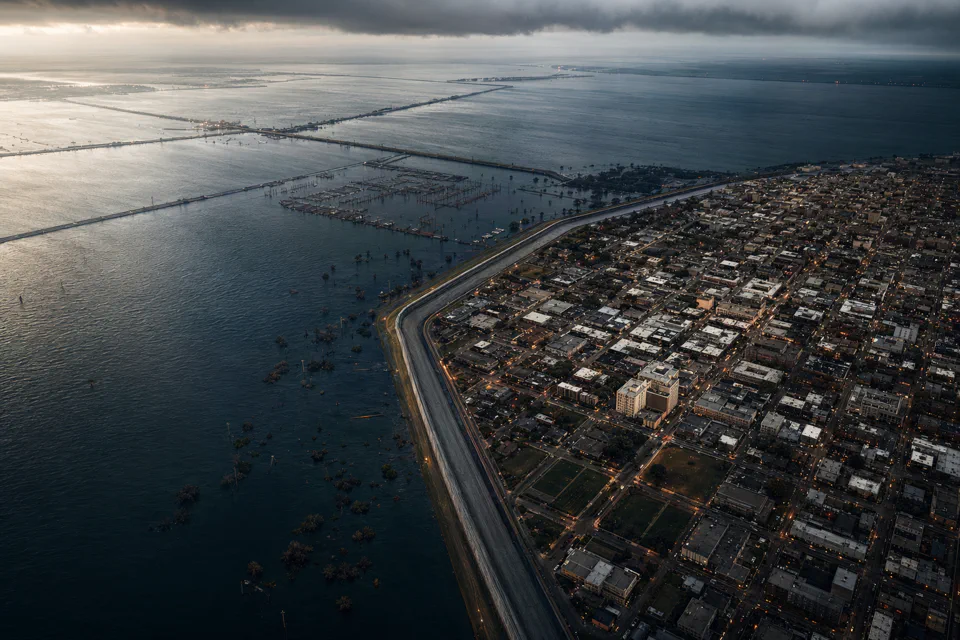
The Permit Is Part of the Design
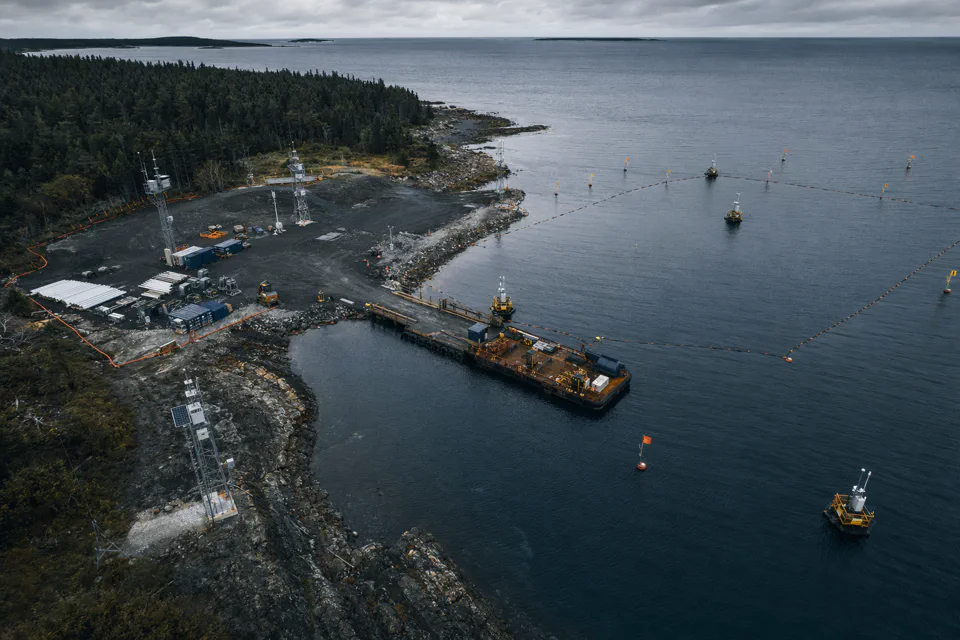
Test the idea before choosing the project
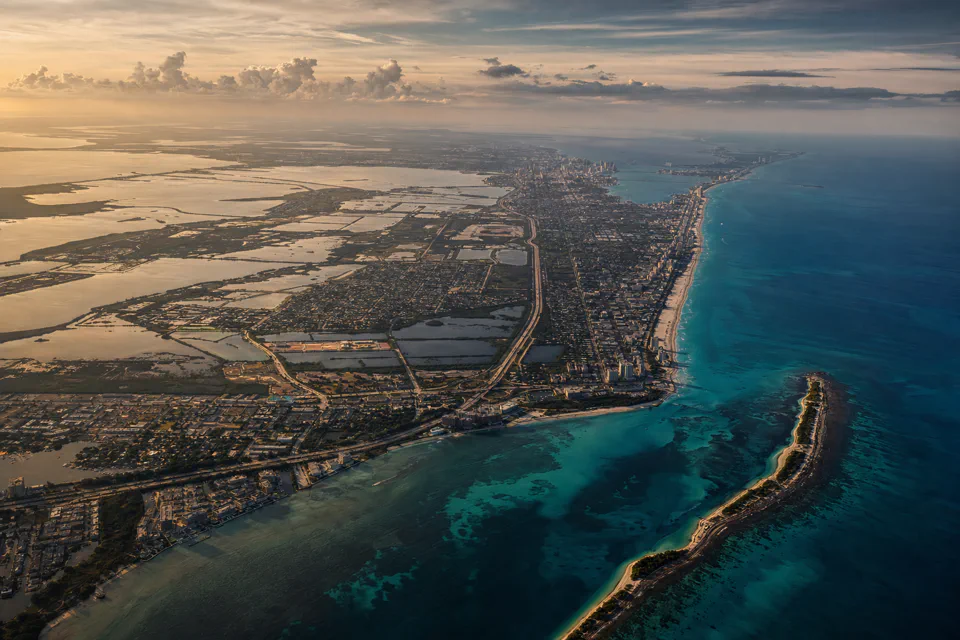
Florida Is Not One Coast
A Capability, Not a Megaproject
Beyond the Shoreline
Source note
An earlier paper supplies part of the industrial and policy background for this work: Building America’s Coastal Engineering Base: Competitiveness, Resilience, and Security through World-Class Dredging and Sediment Management (PDF, October 2025). The corpus treats that paper as an internal starting point and links to outside sources where independent support matters.
Editorial note. This corpus was rewritten and reorganized for clarity in July 2026. The earlier edition remains available in full through the original-edition archive.